




Blog
Why Does My Outlet Smell Like Fish?
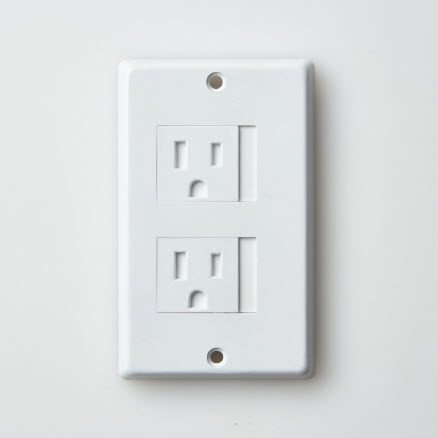
An outlet smells like fish because electrical components inside the outlet, wiring, or breaker are overheating. As heat builds, flame-retardant plastics and wire insulation release a fishy, urine-like, or burning-plastic odor that often serves as an early warning sign of an electrical problem. Stop using the outlet, switch off the breaker if you can safely identify it, and have a licensed electrician inspect the circuit promptly.
What causes an outlet to smell like fish?
A fishy smell from an outlet is usually caused by overheating electrical components rather than anything biological. The odor comes from plastics and insulation breaking down as temperatures rise inside the outlet, electrical box, or wiring.
Several electrical problems can create this condition:
- Overloaded circuits drawing more current than the wiring is designed to handle
- Loose electrical connections creating excess heat
- Arcing inside the outlet or electrical box
- Damaged or worn outlet contacts
- Frayed or deteriorated wire insulation
- Undersized wiring or improperly matched breakers
- Short circuits
- Aging aluminum wiring connections in older homes
The smell often comes and goes depending on how much electricity the circuit is using. Turning on a space heater, microwave, hair dryer, or other high-demand appliance may temporarily increase the odor, making the source difficult to pinpoint without professional testing.
Is a fishy smell from an outlet dangerous?
Yes. A fishy smell from an outlet is one of the few household odors you should never ignore because it usually indicates electrical overheating that can eventually lead to arcing or fire.
The good news is that these problems are often very manageable when they're identified early. Replacing a damaged outlet, tightening loose electrical connections, repairing wiring, or correcting an overloaded circuit frequently resolves the issue before significant damage occurs.
The important step is acting quickly. Continuing to use an overheating outlet increases electrical fire risk every time electricity flows through the damaged components. According to the Electrical Safety Foundation International (ESFI), home electrical fires cause an estimated 51,000 fires in the United States each year, which is one reason an overheating outlet should never be left in service.
Fishy vs. other household smells
Electrical odors are often mistaken for plumbing problems, spoiled food, mold, or even dead animals because the smell can travel through the home before the source is located.
| Smell | Likely Source | Electrical? | What To Do |
|---|---|---|---|
| Fishy or urine-like | Overheating outlet, breaker, or wiring | Yes | Turn off the breaker and call an electrician |
| Burning plastic | Melting insulation or electrical device | Usually | Unplug devices, shut off the circuit, schedule service |
| Rotten eggs or sulfur | Natural gas leak | No (gas) | Leave immediately and contact the gas utility or 911 |
| Musty or damp | Mold or moisture | No | Address the moisture source |
| Sewer or decay | Plumbing issue or dead animal | No | Inspect plumbing or contact pest control |
Electrical smells are commonly mistaken for rotting food or plumbing odors because HVAC systems circulate the smell throughout the house. If you notice a fishy or burning-plastic odor near outlets, switches, or your electrical panel, treat it as an electrical issue until proven otherwise.
What to do right now
If an outlet smells like fish, burning plastic, or overheated wiring, stop using it immediately and treat it as a potential electrical hazard until it has been inspected.
Follow these steps:
- Unplug anything connected to the outlet. Remove space heaters, chargers, appliances, or other devices using that receptacle.
- Turn off the breaker for that circuit. If you can safely identify the correct breaker, switch it off to stop electricity from flowing through the damaged outlet or wiring.
- Do not use the outlet again. Even if the smell disappears, the underlying electrical problem is still present and can continue overheating the next time power is restored.
- Look for visible warning signs. Smoke, scorch marks, melted plastic, buzzing sounds, or sparking indicate the problem is becoming more serious.
- Call a licensed electrician. An inspection can identify whether the problem is the outlet itself, damaged wiring, a loose connection, or a larger electrical issue.
If you see flames, heavy smoke, or active sparking, leave the home immediately and call 911 before contacting an electrician.
Do not remove the outlet cover, tighten wiring, or attempt repairs yourself. Electrical troubleshooting requires testing equipment and safe procedures that help prevent shock and fire hazards.
How an electrician fixes it
The repair begins by identifying exactly which electrical component has failed. A fishy smell does not automatically mean the outlet itself is defective. The source could be the receptacle, wiring connections, the breaker, or another component on the same circuit.
After locating the problem, the electrician may:
- Replace a damaged outlet
- Tighten or replace loose electrical connections
- Repair overheated wiring
- Replace damaged breakers
- Correct overloaded circuits
- Upgrade deteriorated wiring where necessary
In many cases, replacing the outlet solves the problem. If testing finds damage elsewhere on the circuit, additional wiring repairs or electrical panel work may be recommended to eliminate the underlying cause instead of only treating the symptom.
If the problem extends beyond a single outlet, GAC Services also provides electrical repair, outlet replacement, electrical inspections, electrical panel & circuit breaker services, and electrical wiring & rewiring.
How to prevent overheating outlets
Most overheating outlet problems develop gradually and can often be prevented with routine attention to your home's electrical system.
Good prevention habits include:
- Avoid plugging multiple high-wattage appliances into the same circuit.
- Replace loose or worn outlets that no longer hold plugs securely.
- Pay attention to outlets or switches that feel warm during normal use.
- Replace damaged extension cords and power strips.
- Schedule electrical inspections if your home has older wiring.
- Upgrade aging aluminum wiring or outdated electrical components when recommended.
Older homes with aluminum wiring, aging receptacles, or outdated electrical systems deserve particular attention because connections naturally loosen over time and electrical loads have increased significantly compared to when many homes were originally built.
When to call GAC Services
If you notice a fishy smell, burning plastic odor, warm outlet, or other signs of electrical overheating, GAC Services can help identify the source before it develops into a larger safety problem. Since 1970, our licensed electricians have served homeowners throughout Gaithersburg, Montgomery County, Frederick County, Howard County, Rockville, Germantown, Silver Spring, Bethesda, Potomac, and surrounding communities with professional electrical inspections and repairs.
If you're concerned about an outlet or electrical odor, call (240) 224-0192 or Schedule Online. Our electricians are available 24/7 to respond to urgent electrical problems.
Schedule OnlineFrequently Asked Questions
Yes. A fishy or urine-like smell from an outlet usually indicates electrical overheating, which can eventually lead to arcing or fire if the problem is ignored. Turn off the affected circuit, stop using the outlet, and arrange for a licensed electrician to inspect it as soon as possible.
Electrical overheating commonly produces a fishy, urine-like, or burning-plastic smell caused by heated insulation and flame-retardant plastics. These odors are different from smoke produced by an active fire and often appear before visible damage develops.
Electrical smells often become stronger when more electricity flows through the circuit. Running space heaters, microwaves, hair dryers, or other high-demand appliances can temporarily increase overheating, causing the odor to appear only while those devices are operating.
No. An outlet that smells like burning or fish should not be used until it has been inspected and repaired. Continuing to use the outlet increases the chance of overheating, arcing, and electrical fire.
No. The smell usually indicates overheating electrical components rather than an active fire. It is an early warning sign that allows the problem to be repaired before it develops into a more serious electrica